
- All
- Product Name
- Product Keyword
- Product Model
- Product Summary
- Product Description
- Multi Field Search


Views: 0 Author: Site Editor Publish Time: 2026-11-20 Origin: Site


A lithium iron phosphate battery, commonly called an LFP or LiFePO4 battery, is a type of rechargeable lithium-ion battery. Its name refers to the lithium iron phosphate material used in the positive electrode, or cathode.
In an electric car, an LFP battery pack stores the energy used to power the traction motor. The chemistry offers a useful balance of material cost, durability and thermal stability, making it relevant to compact electric vehicles and daily transport.
However, battery chemistry alone does not determine driving range, charging speed or service life. Buyers also need to assess usable capacity, battery management, temperature control and the vehicle’s operating conditions.
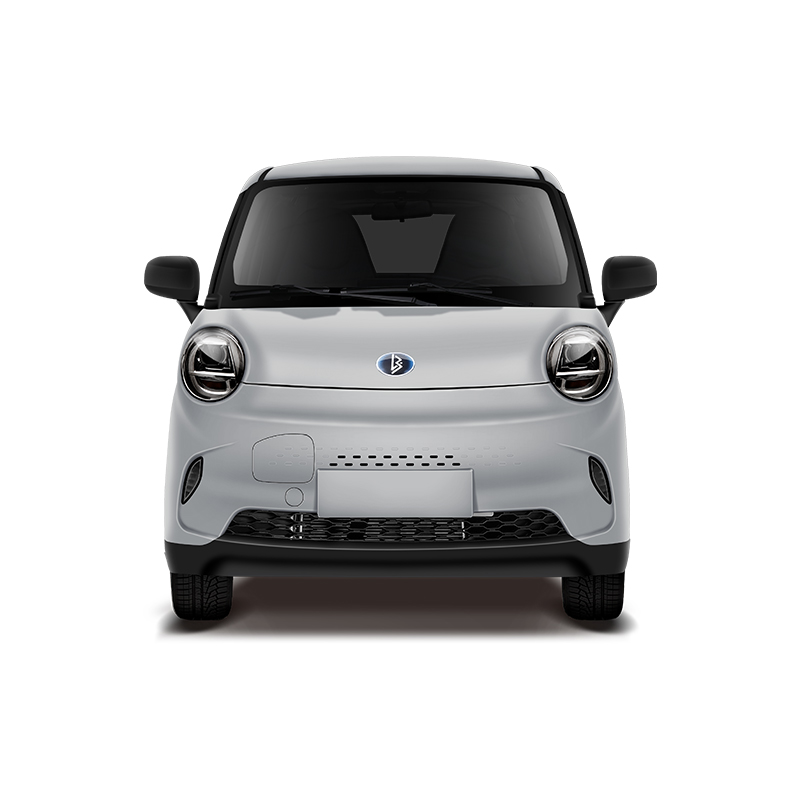
An LFP cell contains a positive electrode, a negative electrode, an electrolyte and a separator. Graphite is commonly used in the negative electrode.
During charging, lithium ions move from the positive electrode toward the negative electrode through the electrolyte. During discharge, they move back toward the positive electrode. Electrons travel through the external electrical circuit, allowing the battery to deliver power.
The separator keeps the electrodes physically apart while allowing lithium ions to pass. These processes store and release electrical energy without consuming fuel.
Individual cells are connected to achieve the voltage and capacity required by the vehicle. The pack also includes electrical connections, monitoring equipment and protective components.
During driving, the battery supplies direct-current power. In a vehicle with an AC traction motor, the inverter controls its conversion into the electrical output needed by the motor.
The battery management system, or BMS, monitors operating conditions and helps keep the cells within their permitted limits. Its functions include monitoring voltage and temperature, supporting state-of-charge estimation and coordinating protective actions. Accurate monitoring remains essential with LFP chemistry. ti.com
The LFP cathode does not require nickel or cobalt as constituent materials. This can support lower material costs compared with nickel-rich cathode chemistries.
LFP also offers favorable thermal stability. However, improved stability does not make an assembled battery pack fireproof. Electrical faults, mechanical damage, manufacturing defects or operation outside specified limits can still create hazards.
Battery safety depends on the complete system, including cell quality, electrical protection, enclosure design and temperature management. It should not be judged from chemistry alone. energy.gov
LFP can support long cycle life, but a cycle-life claim needs context. Test temperature, charge rate, discharge depth and the remaining-capacity threshold all influence the result.
Calendar aging also matters: a battery can lose capacity as time passes, even when it is not frequently cycled. Buyers should request the applicable warranty and capacity-retention terms rather than assume that every LFP pack will outlast the vehicle.
For fleet use, assess expected daily energy throughput alongside years of service. The number of charging sessions is not the same as the number of equivalent full cycles.
LFP generally has lower energy density than nickel-rich lithium-ion chemistries. Storing the same amount of energy can therefore require more cell mass or space.
Pack design can improve how efficiently that space is used, but it does not remove the need to compare complete vehicles. Battery capacity, vehicle mass, aerodynamic resistance and energy consumption all affect driving range.
For a mini EV, the relevant question is whether the vehicle provides enough usable range and payload for its intended work.
There is no universal rule that every LFP electric car should be charged to 100% every day.
Some manufacturers specify periodic full charging to support battery monitoring or range accuracy. Such instructions apply to the relevant vehicle and software configuration; they should not be transferred automatically to another model.
LFP cells have a relatively flat voltage curve across much of their operating range. This makes state-of-charge estimation from voltage alone more challenging and increases the importance of accurate measurement and suitable estimation methods. ti.com
Follow the vehicle manual for daily charging limits, full-charge intervals and extended storage. Charging to full and leaving a vehicle parked at full charge for a prolonged period are different operating conditions.
Low temperatures can reduce available battery power and charging acceptance. Depending on the pack temperature and vehicle controls, charging or regenerative braking may be limited until conditions improve.
Ask whether the selected vehicle includes battery heating, how it operates and what charging conditions are permitted. Do not assume that an LFP model provides liquid cooling, app-controlled preconditioning or automatic heating before a charging stop.
For cold-climate fleets, request operating information that reflects local temperatures and the actual route.
An LFP label does not establish whether a vehicle supports DC fast charging. Charging performance also depends on cell design, battery temperature, state of charge, charging equipment and vehicle limits.
Compare charging times using the same state-of-charge interval. A 20–80% charging figure cannot be compared directly with a full-charge time.
Also distinguish charger power from battery capacity: kW describes power, while kWh describes stored energy.
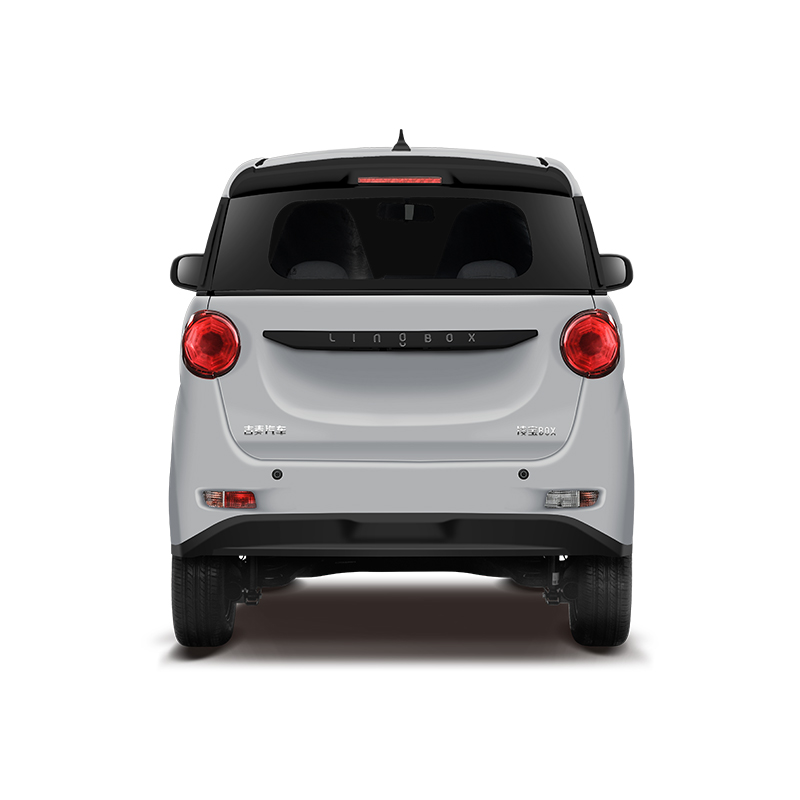
The published Lingbox BOX RHD-220km specifications identify the battery as LFP and provide the following figures:
Item | Published Specification |
|---|---|
Battery capacity | 19.14 kWh |
Driving range | 220 km, CLTC |
DC charging time | 1 hour, 20–80% |
AC charging time | ≤8 hours |
These are model-specific figures. The CLTC range is a test-cycle result, and actual range and charging time depend on operating conditions. Confirm the equipment and specifications supplied for the destination market. lingboxglobal.com
A useful procurement review should cover the following information:
Information to Request | Why It Matters |
|---|---|
Nominal and usable capacity | Clarifies the energy available for normal operation |
Charging requirements | Establishes equipment compatibility and charging schedules |
Operating-temperature limits | Helps assess suitability for the local climate |
Battery heating and cooling | Explains temperature-management capability |
Warranty and capacity retention | Defines the protection offered to the buyer |
Diagnostic and service procedures | Supports maintenance and fault handling |
Replacement-parts arrangements | Helps assess downtime and long-term support |
For a fleet, provide expected daily distance, passenger load, route gradients, parking time and charging availability. These details help determine whether the proposed battery configuration suits the operation.
Explore the Lingbox electric vehicle range, or contact Lingbox to request battery specifications and charging information for your selected model.
A: LFP is one type of lithium-ion battery. The main distinction is its lithium iron phosphate cathode material.
A: It depends on the application. LFP offers favorable material cost and thermal stability, while nickel-rich chemistries generally offer higher energy density. Compare complete vehicle specifications and operating requirements.
A: Follow the vehicle manufacturer’s instructions. Daily charge limits, periodic full charging and storage recommendations can differ between models.
A: Service life depends on the cells, pack design, temperature, charging practices and usage. Request warranty terms and test conditions rather than relying on a universal cycle-count claim.
A: Yes. Favorable thermal stability does not eliminate battery hazards. Correct system design, protection and operation remain necessary.
