
- All
- Product Name
- Product Keyword
- Product Model
- Product Summary
- Product Description
- Multi Field Search


Views: 0 Author: Site Editor Publish Time: 2025-10-29 Origin: Site


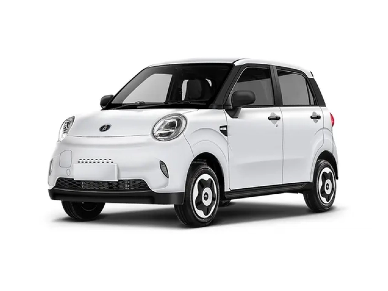
In recent years, micro electric cars have gained significant attention in the automotive market. These compact, often affordable vehicles are designed primarily for city driving, offering convenience, energy efficiency, and a smaller environmental footprint. However, one of the most common questions potential buyers ask is: Is the micro electric car reliable? To answer this question comprehensively, it’s important to examine various aspects of micro electric cars, including their design, battery performance, maintenance requirements, safety, and real-world performance. This article will explore all these aspects in detail, providing a clear understanding of what makes a micro electric car reliable—or not.
Before evaluating reliability, it’s important to understand what a micro electric car is. Unlike traditional vehicles, micro electric cars are small in size, lightweight, and primarily designed for short-distance travel. They typically seat two to four passengers and are equipped with a compact electric motor powered by a rechargeable battery. These vehicles are often used in urban environments due to their maneuverability, ease of parking, and ability to reduce emissions in congested areas.
Micro electric cars are sometimes referred to as neighborhood electric vehicles (NEVs) or city electric vehicles. They are not designed for high-speed highway driving or long-distance travel, which distinguishes them from standard electric cars. The focus of micro electric cars is efficiency, low running costs, and environmental friendliness.
Reliability, in the context of micro electric cars, can be defined as the vehicle’s ability to perform consistently over time with minimal breakdowns, maintenance issues, or unexpected failures. Several key factors contribute to the reliability of these vehicles:
The battery is the heart of any electric car, and micro electric cars are no exception. The type, quality, and capacity of the battery directly influence reliability. Most micro electric cars use lithium-ion batteries due to their energy density, longevity, and light weight. Some older models or budget options may use lead-acid batteries, which are heavier and have shorter lifespans.
Battery performance can be affected by several factors:
Charge cycles: Lithium-ion batteries typically last between 800 and 1,500 full charge cycles. Over time, battery capacity naturally diminishes, affecting the vehicle’s range.
Temperature sensitivity: Extreme heat or cold can impact battery efficiency and lifespan. Micro electric cars are often designed with thermal management systems to maintain optimal battery temperatures.
Charging habits: Frequent use of fast chargers may slightly reduce battery longevity compared to regular, slower charging.
A reliable micro electric car should come with a high-quality battery and manufacturer support, including warranties that cover battery degradation for several years.
The overall construction of a micro electric car significantly influences reliability. Quality materials, solid frame construction, and durable components contribute to fewer breakdowns and longer vehicle life. Cars that are cheaply made with substandard parts may face frequent mechanical or electrical issues.
Key areas to consider include:
Chassis and body: The frame should be robust enough to withstand daily urban driving, minor bumps, and road irregularities.
Electrical components: Wires, connectors, and control units should be well insulated and resistant to moisture and heat.
Suspension and braking systems: Despite being small, the car’s suspension and brakes must handle repeated urban stop-and-go traffic reliably.
A reliable micro electric car typically undergoes rigorous quality control during manufacturing and uses high-quality materials for critical components.
Maintenance plays a crucial role in reliability. While micro electric cars generally require less maintenance than traditional internal combustion engine (ICE) vehicles—no oil changes, fewer moving parts—they still need periodic checks. Maintenance considerations include:
Battery health monitoring: Ensuring the battery remains in good condition is essential for performance and longevity.
Tire maintenance: Smaller tires may wear faster, especially if the car is used on rough or uneven roads.
Brake and suspension inspections: Even with regenerative braking systems, occasional mechanical brake inspections are necessary.
Software updates: Many micro electric cars rely on onboard software for performance optimization, battery management, and safety features. Keeping the software up to date ensures reliable operation.
Owners who follow the recommended maintenance schedules often experience fewer problems, making the car more reliable over time.
Reliability is closely linked to safety. A vehicle may be mechanically reliable but fail in safety performance, which is a critical concern for urban commuters. While micro electric cars are small and lightweight, manufacturers often integrate safety features such as:
Seat belts and airbags: Essential even in small vehicles.
Crumple zones: Protect passengers in the event of a collision.
Stability control systems: Assist in maintaining control on slippery or uneven surfaces.
It’s important to note that due to their small size, micro electric cars may not provide the same level of protection as larger vehicles in high-speed accidents. Therefore, they are most reliable and safe when used within their intended urban or neighborhood environments.
The reliability of a micro electric car also depends on the manufacturer. Brands with a history of producing high-quality electric vehicles typically offer better reliability. Factors to consider include:
Warranty coverage: Comprehensive warranties for the battery, motor, and electrical systems indicate confidence in the car’s durability.
Availability of service centers: Easy access to trained technicians ensures that maintenance and repairs are handled promptly.
Customer reviews: Feedback from current owners provides real-world insight into reliability.
A strong manufacturer support system often translates to a more dependable car over time, as owners can access genuine parts, technical advice, and timely repairs.
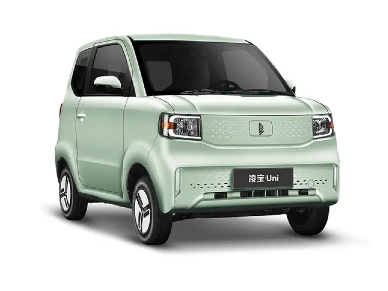
Many micro electric cars have proven to be reliable for everyday urban use. Owners report that with proper maintenance, these vehicles can last several years with minimal issues. Their simple design, fewer moving parts, and reduced dependency on complex engines contribute to lower chances of mechanical failure compared to conventional vehicles.
For example, micro electric cars are less prone to problems like:
Oil leaks or engine overheating, which are common in ICE vehicles.
Transmission failures, as many micro electric cars use single-speed gear systems.
Exhaust system issues, which don’t exist in electric vehicles.
However, reliability does depend heavily on how the car is used. Overloading the car, driving at high speeds not intended for its design, or neglecting battery care can reduce reliability and lifespan.
Several inherent advantages of micro electric cars enhance their reliability:
Fewer moving parts: Electric motors are simpler and require less maintenance than combustion engines.
Regenerative braking: Reduces wear on brakes and extends overall system longevity.
Compact design: Smaller components are easier to maintain and replace if needed.
Energy efficiency: Lower energy consumption reduces strain on the motor and battery.
These factors contribute to a consistent performance level over time, making micro electric cars suitable for daily commuting.
Despite their advantages, micro electric cars do face some challenges that may affect reliability:
Limited range: Most micro electric cars have a smaller battery, providing a limited driving range. Owners must plan trips carefully to avoid running out of charge.
Speed limitations: Typically, these cars are not designed for highways or high-speed travel. Using them beyond recommended limits can stress components and reduce reliability.
Weather impact: Cold temperatures may reduce battery performance and overall efficiency, requiring more careful usage in certain climates.
Infrastructure dependency: Availability of charging stations and access to maintenance facilities are critical for sustained reliability.
Understanding these limitations allows potential owners to make informed decisions and use the vehicle within its optimal parameters, ensuring better reliability.
To get the most reliable performance from a micro electric car, owners should consider the following tips:
Follow charging best practices: Avoid overcharging and try to maintain battery levels between 20% and 80% when possible.
Adhere to maintenance schedules: Regular inspections of brakes, tires, and electrical systems help prevent unexpected issues.
Drive within design limits: Avoid overloading the car or driving at high speeds not recommended by the manufacturer.
Keep software up to date: Regular updates can improve battery management, safety features, and overall performance.
Protect the vehicle from extreme weather: Whenever possible, park in shaded or temperature-controlled areas to maintain battery health.
By following these simple guidelines, owners can significantly enhance the reliability and longevity of their micro electric cars.
So, is the micro electric car reliable? The answer depends on how reliability is defined and the expectations of the owner. For city driving, short-distance commuting, and environmentally conscious transportation, micro electric cars are generally reliable. Their simple design, fewer mechanical components, and modern battery technologies contribute to consistent performance over time.
However, reliability is influenced by factors such as battery quality, build materials, maintenance practices, and proper usage. Potential owners should also consider the manufacturer’s reputation, warranty coverage, and available support services. By selecting a well-built micro electric car, maintaining it properly, and using it within its intended scope, users can enjoy a dependable, efficient, and eco-friendly vehicle.
In summary, while micro electric cars may not replace full-sized vehicles for long-distance or high-speed travel, they are highly reliable for their intended purpose: urban commuting. With careful attention to maintenance and responsible usage, a micro electric car can be a trustworthy companion for years, providing convenience, efficiency, and reduced environmental impact.
