
- All
- Product Name
- Product Keyword
- Product Model
- Product Summary
- Product Description
- Multi Field Search


Views: 0 Author: Site Editor Publish Time: 2026-05-26 Origin: Site


Are you tired of tight city parking and rising fuel costs? You might wonder if switching to a small electric car makes sense today. In this article, you will learn about the costs, daily performance, and long-term value of these compact vehicles. We will help you decide if a smaller EV fits your budget and lifestyle.
● Choosing a small electric car can lower your upfront purchase price and boost long-term savings.
● Compact EVs offer exceptional energy efficiency and reduced maintenance expenses for urban drivers.
● A small electric car provides easy parking and agile handling in heavy city traffic.
● Modern battery technology ensures sufficient daily range and fast charging times at home.
● Investing in a small electric car reduces your carbon footprint through efficient resource consumption.
The initial cost of entering the electric vehicle market depends heavily on the size of the vehicle. Large electric SUVs and luxury sedans carry high price tags due to their massive battery packs and complex platforms. A small electric car lowers this financial barrier. It makes EV ownership accessible to budget-conscious buyers and fleet managers who want to minimize capital expenditures. By choosing a compact model, you get essential EV technology without paying for unnecessary space.
Government incentives can lower the net cost of an affordable vehicle. Many tax credits and local rebates favor smaller, efficient electric models. Some programs impose strict MSRP caps that disqualify expensive luxury vehicles. A compact EV easily qualifies for these incentives, saving you thousands of dollars right at the start.
Note: Clean-vehicle rebates vary by region, but compact models almost always qualify because their retail prices fall well below state and federal maximum caps.
A lighter vehicle requires less energy to move. Heavy electric crossovers consume substantial kilowatt-hours per mile. In contrast, a lightweight small electric car maximizes every charge. This efficiency translates to lower monthly utility bills when you charge at home.
Vehicle Type | Average Efficiency (kWh/Mile) | Estimated Monthly Charging Cost |
Compact EV | 0.25 - 0.30 | Low |
Heavy Electric SUV | 0.40 - 0.50 | Medium to High |
Gas Compact Car | N/A (Fuel Dependent) | High |
Smaller electric cars have simple drivetrains that incur minimal maintenance costs over time. They have fewer complex mechanical components than gas cars. They also experience less tire wear and suspension strain than heavy electric SUVs.
● Fewer moving parts: No engine oil changes, spark plugs, or timing belts.
● Less vehicle weight: Tires and brake pads last longer.
● Reliable drivetrains: Compact electric motors offer excellent long-world durability.
Insurance premiums for compact electric cars are becoming more competitive as repair networks grow. Early electric vehicles suffered from steep depreciation, but the latest generation holds its value much better. Steady demand for affordable urban transport keeps resale values stable.
Driving a large vehicle in a crowded city can cause stress. A mini electric vehicle provides psychological and practical relief when you navigate congested streets. You can easily slip into tight parallel parking spots. Many urban garages also offer small, designated parking spaces with charging stations that are perfect for these vehicles.
A small electric car serves as an excellent commuter option for households with multiple vehicles. You can use the nimble EV for daily errands, school runs, and work commutes. This leaves your larger gas or hybrid vehicle ready for long family road trips. This strategy optimizes household logistics and keeps overall transportation costs low.
Tip: For businesses managing local sales reps or delivery staff, a compact EV fleet minimizes daily fuel spend and simplifies urban parking logistics.
Compact electric cars offer a fun and responsive driving experience. Designers place the heavy battery pack low in the chassis. This creates a low center of gravity that improves stability. The electric motor delivers instant torque, allowing you to accelerate quickly in stop-and-go city traffic.
Range anxiety is a common concern for potential buyers, but daily driving habits tell a different story. Most commuters travel fewer than 40 miles per day. Modern compact electric vehicles offer a range of 100 to 250 miles on a single charge. This range easily covers your daily routine without requiring mid-day stops.
A smaller kilowatt-hour battery pack has a distinct advantage: it charges quickly. You do not need to install an expensive, high-amperage electrical panel upgrade at home. A standard Level 2 home charger can easily replenish a small battery overnight, ensuring the car is ready every morning.
High speeds and winter temperatures can reduce battery efficiency. Highway driving drains small batteries faster than city driving, and cold weather requires cabin heating, which uses extra energy.
● Pre-condition the cabin: Warm up the car while it is still plugged into the charger.
● Use heated seats: Heated seats use less energy than the main cabin heater.
● Manage highway speeds: Driving at moderate speeds preserves your range.
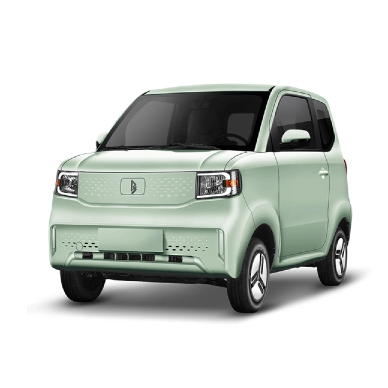
Modern electric cars do not use traditional combustion engine layouts. They utilize flat EV skateboard platforms. The absence of a transmission tunnel creates surprising legroom and headroom inside a compact frame. Designers also include clever storage cubbies throughout the cabin.
Do not let the small exterior fool you. Most compact EVs feature smart hatchback designs with folding rear seats. This layout provides plenty of room for groceries, luggage, and daily sports gear. A 5-door subcompact design offers easier access to the rear seats than a 3-door model, making it a more practical choice for daily chores.
The front seats of a small EV provide excellent comfort for daily commutes. The rear seats work well for children or short trips with adults. Modern manufacturing also reduces noise, vibration, and harshness levels. This ensures a quiet, smooth ride even without heavy insulation.
Some drivers worry about safety when sharing the highway with large trucks. However, the heavy battery pack reinforces the vehicle structural frame. This design improves side-impact protection and lowers the risk of a rollover. Top-performing compact models earn strong crash test ratings from groups like the IIHS and Euro NCAP.
Manufacturers now include advanced safety technology as a standard feature in entry-level small electric vehicles. These systems help protect you on every journey.
● Automatic Emergency Braking: Helps prevent front-end collisions.
● Lane-Keep Assist: Keeps the vehicle centered in its lane.
● Sensors and Cameras: Mitigate blind spots caused by the car compact shape.
Producing an electric vehicle requires raw materials like lithium, cobalt, and nickel. Because a small electric car uses a smaller battery pack, it requires fewer raw materials. This results in lower localized emissions during manufacturing. The lifecycle carbon payback period is much shorter than that of a heavy electric SUV.
Note: A compact EV offsets its manufacturing footprint much faster than a large electric truck, making it a truly sustainable choice for eco-conscious drivers.
Lightweight vehicles require less energy to move down the road. They put less stress on their tires, which reduces microplastic emissions from tire wear. They also draw less total electricity from the power grid per mile, saving natural resources.
A compact EV is an excellent investment for urban professionals, suburban commuters, and students who want to cut transportation costs. It also works perfectly for multi-vehicle families with a garage or workplace charging access. If you drive short distances and want easy parking, this vehicle fits your lifestyle.
A small electric vehicle might not suit your needs if you frequently take long-distance road trips across rural areas with sparse DC fast-charging infrastructure. Single-car households with large families or drivers who need high towing capacities should look at larger electric SUVs or hybrid models instead.
Deciding to invest in a compact vehicle comes down to your daily mileage, budget, and driving habits. For city commuters and multi-car homes, these vehicles offer an unmatched mix of low operating costs and parking convenience. If you want a reliable and efficient option, consider the vehicles from Jiangsu Jimai New Energy Vehicle Industry Co., Ltd.. Their stylish models deliver practical value, excellent battery efficiency, and smart urban performance to help you save money on every drive.
A: A small electric car is worth buying because it offers excellent energy efficiency, low maintenance costs, and easy maneuverability in tight urban spaces.
A: You can charge a small electric car overnight using a standard Level 2 home charger without needing expensive electrical panel upgrades.
A: A modern small electric car typically delivers a reliable driving range of 100 to 250 miles, which easily covers daily commutes.
A: Yes, every modern small electric car features a reinforced structural frame and advanced driver assistance systems to ensure high safety standards.
