
- All
- Product Name
- Product Keyword
- Product Model
- Product Summary
- Product Description
- Multi Field Search


Views: 0 Author: Site Editor Publish Time: 2025-10-23 Origin: Site


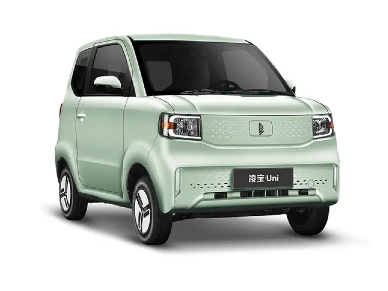
Micro electric cars are becoming increasingly popular around the world, especially in urban areas where traffic congestion, parking difficulties, and environmental concerns are significant issues. These compact electric vehicles are known for their small size, ease of maneuverability, and low operating costs. One of the most common questions that potential buyers ask is: “How many miles can a micro electric car go?” Understanding the driving range of these vehicles is crucial for planning trips, daily commuting, and assessing whether they are suitable for specific transportation needs. In this article, we will explore in detail the factors that determine the mileage of micro electric cars, real-world ranges, battery technology, and tips for maximizing driving distance.
Before discussing mileage, it’s important to understand what a micro electric car is. Unlike traditional electric vehicles, micro electric cars are smaller, lighter, and typically designed for short-distance urban driving. They usually seat two to four passengers and are equipped with a single electric motor powered by a rechargeable battery. Their main advantages are compact design, energy efficiency, ease of parking, and reduced emissions.
Micro electric cars are often referred to as Neighborhood Electric Vehicles (NEVs) or city EVs. Unlike full-sized electric cars, they are not intended for high-speed highways or long-distance travel. They excel in urban environments where frequent starts and stops, short trips, and lower speed limits are common.
The driving range of a micro electric car depends on multiple factors. Understanding these factors is essential for potential owners to manage expectations and make the most of their vehicle.
Battery capacity is the most important factor determining how far a micro electric car can travel on a single charge. Most micro electric cars use lithium-ion batteries, though some budget models may use lead-acid batteries. Battery capacity is measured in kilowatt-hours (kWh), and it directly affects the range of the vehicle.
For example:
A micro electric car with a 10 kWh battery may travel around 40 to 60 miles on a single charge.
A more advanced model with a 20 kWh battery could travel up to 80 to 100 miles in ideal conditions.
Battery capacity alone does not guarantee maximum range; efficiency, weight, and driving conditions also play key roles.
The overall weight of a micro electric car affects energy consumption. Heavier vehicles require more power to move, reducing the distance that can be covered per charge. While micro electric cars are generally light, variations in weight due to added features, larger batteries, or extra passengers can impact the driving range.
Driving conditions have a significant impact on mileage. City driving with frequent stops and starts consumes more energy than steady driving at consistent speeds. On the other hand, driving on flat roads at moderate speeds is more energy-efficient and extends the range.
Other condition-related factors include:
Hills and inclines: Driving uphill consumes more energy and reduces range, while downhill driving can help recharge the battery slightly through regenerative braking.
Traffic congestion: Stop-and-go traffic increases energy consumption.
Road surface: Smooth roads are easier on the battery than rough, uneven surfaces.
Extreme temperatures, both hot and cold, can affect battery efficiency. In cold weather, lithium-ion batteries experience reduced chemical activity, leading to lower energy output. Heating systems used to warm the cabin further draw energy from the battery. Similarly, extremely hot conditions can cause batteries to work harder, slightly decreasing efficiency.
Driving habits play a surprisingly large role in range. Aggressive acceleration, high speeds, and heavy braking consume more energy. Conversely, gentle acceleration, maintaining moderate speeds, and utilizing regenerative braking effectively can significantly extend the mileage of a micro electric car.
Proper maintenance is crucial for maximizing range. Low tire pressure increases rolling resistance, which reduces efficiency. Regular maintenance, including checking brakes and keeping mechanical components in good condition, ensures the car operates efficiently.
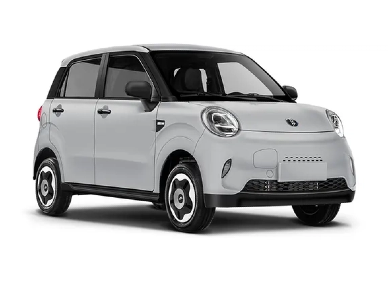
The driving range of micro electric cars varies depending on the model, battery size, and other factors. Below are typical mileage ranges for most micro electric vehicles:
Entry-Level Micro Electric Cars: These budget-friendly models often have smaller batteries, typically around 10 to 12 kWh. Their range usually falls between 30 and 50 miles per charge, making them suitable for short city commutes.
Mid-Range Micro Electric Cars: With slightly larger batteries, around 15 to 18 kWh, these cars can cover 50 to 80 miles per charge. They offer a balance between affordability and range.
High-End Micro Electric Cars: Equipped with advanced lithium-ion batteries exceeding 20 kWh, these vehicles may achieve 80 to 100 miles or more per charge. They are suitable for longer urban trips or for people who occasionally need extra range.
It is important to note that these figures are estimates under ideal conditions. Real-world driving, including traffic, weather, and terrain, may reduce the actual range.
While micro electric cars offer convenience and affordability, their range is generally lower than full-sized electric cars. Standard electric vehicles like the Tesla Model 3 or Nissan Leaf can travel 200 to 350 miles per charge, depending on the battery and model. Micro electric cars, designed for short trips and city driving, prioritize compact size and low energy consumption rather than long-range performance.
However, the smaller battery and reduced energy demands of micro electric cars make them cheaper to operate and maintain. In urban settings, where long-distance travel is rare, a micro electric car’s lower range is usually sufficient.
To get the most miles from a micro electric car, owners can follow several tips:
Moderate Speed: Driving at moderate speeds rather than accelerating aggressively conserves battery power.
Smooth Driving: Avoid frequent stops and sudden starts when possible.
Lighten the Load: Carry only essential items to reduce weight and improve efficiency.
Use Regenerative Braking: Many micro electric cars feature regenerative braking, which recaptures energy during deceleration.
Maintain Tire Pressure: Properly inflated tires reduce rolling resistance and increase range.
Climate Control Usage: Limit use of heating or air conditioning to conserve battery energy.
Plan Routes: Choosing routes with fewer stops, smoother roads, and minimal hills can help maximize mileage.
Several popular micro electric car models illustrate the range owners can expect in real-world use:
Renault Twizy: A two-seater city electric car with a small battery, offering around 50 miles of range, ideal for daily short-distance commuting.
Smart EQ ForTwo: Compact and lightweight, it has a range of approximately 60 to 70 miles, making it suitable for urban drivers.
Wuling Hongguang Mini EV: One of the most popular micro electric cars in China, featuring a range of 75 to 100 miles, depending on battery size.
These examples show that while micro electric cars cannot match the long-range capabilities of standard EVs, they provide sufficient mileage for most urban driving scenarios.
Despite their advantages, micro electric cars have certain limitations when it comes to mileage:
Limited Long-Distance Travel: With ranges typically below 100 miles, micro electric cars are not ideal for long road trips.
Dependence on Charging Infrastructure: Frequent recharging may be required, especially if the car is used extensively.
Battery Degradation: Over time, batteries lose capacity, which reduces the maximum range. Regular monitoring and proper charging habits can mitigate this effect.
Understanding these limitations helps potential owners plan their usage and avoid unexpected inconveniences.
Battery technology continues to improve rapidly, which will increase the mileage of micro electric cars in the coming years. Innovations such as solid-state batteries, higher energy density cells, and improved thermal management systems will allow micro electric vehicles to travel longer distances without increasing weight or size.
Additionally, smart energy management systems are being developed to optimize battery usage based on driving conditions. These technologies may allow micro electric cars to extend their range significantly, making them even more practical for a variety of urban and suburban applications.
So, how many miles can a micro electric car go? The answer depends on the model, battery capacity, driving conditions, and maintenance practices. In general, micro electric cars offer a range of 30 to 100 miles per charge, making them ideal for city commuting, short errands, and daily urban transportation. While they cannot match the range of full-sized electric vehicles, their affordability, low operating costs, and compact design make them highly practical for many drivers.
Maximizing mileage involves understanding factors like battery size, driving habits, vehicle weight, and road conditions. With proper care, planning, and responsible driving, micro electric cars can reliably cover the distance needed for most daily routines. As battery technology continues to advance, the range of these vehicles is expected to improve, further enhancing their appeal and usability.
In conclusion, while micro electric cars are not designed for long-distance travel, they provide sufficient mileage for urban life. Their convenience, efficiency, and eco-friendliness make them a dependable choice for city drivers who want a compact, low-maintenance, and sustainable mode of transportation.
