
- All
- Product Name
- Product Keyword
- Product Model
- Product Summary
- Product Description
- Multi Field Search


Views: 0 Author: Site Editor Publish Time: 2026-02-23 Origin: Site


When people consider buying an Electric Mini Car, one of the very first questions they ask is how long the battery will last. Battery longevity directly affects ownership costs, resale value, and daily convenience. As Electric Mini Car adoption accelerates worldwide, battery technology has improved rapidly, making modern Electric Mini Car batteries far more durable and reliable than many drivers expect. This article provides a deep, data-driven look at Electric Mini Car battery lifespan, degradation patterns, real-world comparisons, and practical strategies to extend battery life.
An Electric Mini Car relies on a high-voltage lithium-ion battery pack to store and deliver energy. Unlike traditional vehicles, an Electric Mini Car does not depend on combustion or fuel injection; instead, the battery powers an electric motor with far fewer moving parts.
Most Electric Mini Car batteries are composed of thousands of small lithium-ion cells grouped into modules and packs. These packs are designed to last for years while maintaining consistent performance. On average, an Electric Mini Car battery capacity ranges from 15 kWh to 40 kWh, depending on size, weight, and intended urban usage.
Key characteristics of Electric Mini Car batteries include:
High energy density for compact vehicle designs
Advanced battery management systems (BMS)
Thermal regulation to prevent overheating
Software-controlled charging and discharging
To make comparison easier, the table below outlines typical Electric Mini Car battery specifications:
| Vehicle Type | Battery Capacity | Average Range | Expected Battery Lifespan |
|---|---|---|---|
| Electric Mini Car (City) | 15–25 kWh | 80–130 miles | 8–12 years |
| Electric Mini Car (Premium) | 25–40 kWh | 130–200 miles | 10–15 years |
This shows that even compact Electric Mini Car models are engineered for long-term durability.
Battery degradation is a natural process for every Electric Mini Car, but it is slower and more predictable than many people assume. Degradation refers to the gradual loss of battery capacity over time, not sudden failure.
For an Electric Mini Car, battery degradation usually occurs due to:
Repeated charging and discharging cycles
Exposure to extreme heat or cold
Frequent use of high-power fast charging
Maintaining very high or very low state of charge
Most Electric Mini Car batteries lose around 1–3% of capacity per year under normal conditions. After eight years, many Electric Mini Car batteries still retain 70–80% of their original capacity.
Battery degradation trends for an Electric Mini Car typically follow this pattern:
Slight drop in the first year (battery calibration phase)
Stable performance for several years
Gradual, predictable decline after long-term use
Importantly, Electric Mini Car manufacturers design battery buffers that prevent full charge or deep discharge, helping slow degradation.
The lifespan of an Electric Mini Car battery is measured in years, miles, and charge cycles. On average, modern Electric Mini Car batteries are designed to last between 8 and 15 years or 100,000 to 200,000 miles.
Real-world data shows:
Most Electric Mini Car batteries remain functional well beyond warranty
Battery failure rates are significantly lower than engine failures in ICE vehicles
Software updates often improve battery efficiency over time
Below is a comparison of expected lifespan metrics:
| Metric | Electric Mini Car |
|---|---|
| Warranty Period | 8 years / 100,000 miles |
| Typical Useful Life | 10–15 years |
| Capacity After 10 Years | 70–85% |
| Replacement Probability | Low |
For urban drivers, an Electric Mini Car often outlasts daily transportation needs before battery replacement becomes a concern.
When comparing an Electric Mini Car to an internal combustion engine (ICE) vehicle, battery longevity often surprises new buyers. While ICE vehicles rely on complex engines with hundreds of moving parts, an Electric Mini Car powertrain is mechanically simple.
Key comparisons include:
An ICE engine typically lasts 150,000 miles with intensive maintenance
An Electric Mini Car battery can exceed 200,000 miles with minimal degradation
Maintenance costs for an Electric Mini Car are significantly lower
From a cost-of-ownership perspective, an Electric Mini Car often proves more durable than traditional vehicles. ICE vehicles experience transmission issues, oil system failures, and emissions problems, while Electric Mini Car batteries age more gradually.
A simplified durability comparison:
| Component | ICE Vehicle | Electric Mini Car |
|---|---|---|
| Engine / Motor | High wear | Minimal wear |
| Transmission | Complex | Simple |
| Fuel System | High maintenance | None |
| Battery | Small 12V | Long-life high-voltage |
This comparison highlights why the Electric Mini Car is increasingly viewed as a long-term investment.
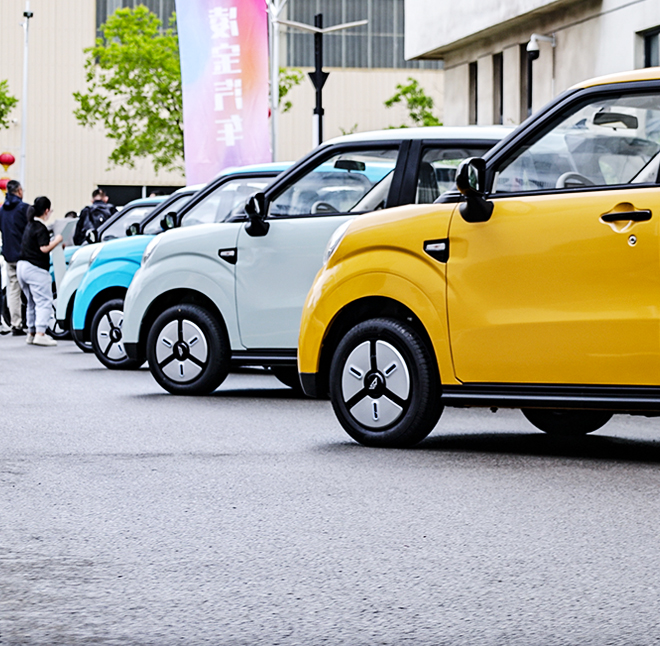
Maximizing battery life is a priority for every Electric Mini Car owner. Fortunately, battery longevity is largely influenced by daily habits.
Manufacturers provide detailed guidance to protect every Electric Mini Car battery. These recommendations include:
Keeping charge between 20% and 80% for daily use
Using manufacturer-approved chargers
Installing software updates promptly
Following these guidelines ensures that an Electric Mini Car battery operates within optimal parameters.
Temperature management plays a critical role in Electric Mini Car battery health. Excessive heat accelerates chemical degradation, while extreme cold reduces efficiency.
Best practices include:
Parking your Electric Mini Car in shaded or indoor spaces
Avoiding long-term exposure to freezing temperatures
Pre-conditioning the battery before driving
Modern Electric Mini Car models include thermal management systems that automatically regulate battery temperature.
Fast charging is convenient but should not be the primary charging method for an Electric Mini Car. Frequent rapid charging increases heat and stress on battery cells.
Recommended charging habits:
Use slow or standard charging for daily needs
Reserve fast charging for long trips
Avoid charging to 100% unless necessary
These habits can add years to an Electric Mini Car battery lifespan.
Even when an Electric Mini Car battery is no longer ideal for driving, it still has significant value. Batteries that retain 60–70% capacity are commonly reused for stationary energy storage.
Second-life applications include:
Home energy storage systems
Solar energy buffering
Grid stabilization projects
This second-life usage extends the environmental and economic value of every Electric Mini Car battery, reducing waste and maximizing sustainability.
EV Connect and similar platforms play an important role in the Electric Mini Car ecosystem. They support smart charging, energy optimization, and battery lifecycle management. For Electric Mini Car owners, integrated charging networks help reduce battery stress by optimizing power delivery and usage patterns.
As charging infrastructure evolves, Electric Mini Car batteries will benefit from smarter, more adaptive charging solutions.
An Electric Mini Car battery typically lasts between 10 and 15 years, depending on usage, climate, and charging habits.
Most Electric Mini Car owners will never need a full battery replacement during normal ownership. Capacity loss is gradual and manageable.
Battery replacement costs have dropped significantly. In many cases, refurbished or modular replacement options make Electric Mini Car ownership more affordable.
Occasional fast charging does not harm an Electric Mini Car battery, but frequent use can accelerate degradation over time.
Yes. Electric Mini Car batteries produce fewer lifecycle emissions than ICE vehicles and can be recycled or reused after automotive service.
Absolutely. With long battery life, low maintenance costs, and growing infrastructure, the Electric Mini Car is one of the most future-proof transportation options available today.
In summary, the battery in an Electric Mini Car is not a short-lived component but a long-term asset. With proper care, smart charging habits, and modern battery management systems, an Electric Mini Car battery can provide reliable performance for over a decade, making it an excellent choice for urban mobility and sustainable driving.
