
- All
- Product Name
- Product Keyword
- Product Model
- Product Summary
- Product Description
- Multi Field Search


Views: 0 Author: Site Editor Publish Time: 2025-10-21 Origin: Site


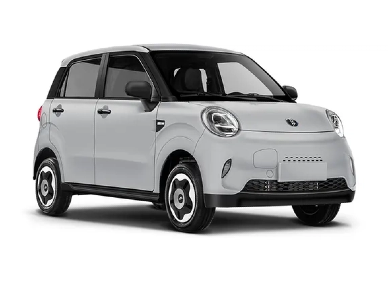
Micro electric cars are quickly becoming a common sight in urban areas around the world. Compact, lightweight, and energy-efficient, these vehicles are designed primarily for city driving. Their small size makes them easy to park and maneuver, and their electric motors provide a quieter, cleaner alternative to traditional gasoline-powered vehicles. Despite their popularity, one question that potential buyers frequently ask is: “How fast do micro electric cars go?” Understanding the speed capabilities of these vehicles is essential for safety, planning daily trips, and evaluating whether they meet a driver’s commuting needs. This article explores in detail the speed range of micro electric cars, the factors that affect their performance, comparisons with other vehicles, and practical considerations for urban use.
Before discussing speed, it’s important to understand what a micro electric car is. These vehicles are significantly smaller than standard cars, usually seating two to four passengers. They are equipped with compact electric motors powered by rechargeable batteries, such as lithium-ion or, in some cases, lead-acid batteries.
Micro electric cars are sometimes referred to as Neighborhood Electric Vehicles (NEVs) or city electric vehicles. Unlike traditional electric cars, they are designed primarily for low-speed urban environments. While they are not built for highways or long-distance travel, their design emphasizes energy efficiency, low operating costs, and ease of maneuvering in crowded city streets.
The top speed of micro electric cars varies depending on the make, model, and motor capacity. Most micro electric cars are designed for safety and urban use, so their speeds are generally lower than those of full-sized electric vehicles.
Entry-level micro electric cars: These budget-friendly models often have a top speed of 25 to 35 miles per hour (mph). They are intended for short-distance commuting, running errands, and traveling through residential neighborhoods.
Mid-range micro electric cars: With slightly more powerful motors, these cars can reach speeds of 40 to 50 mph. They are suitable for slightly longer city trips and suburban streets with moderate speed limits.
High-end micro electric cars: Advanced models with stronger electric motors may reach 55 to 65 mph, allowing limited highway use in some regions, though they are still primarily designed for urban travel.
It is important to note that these are maximum speeds under ideal conditions. Real-world speeds may vary depending on battery charge, vehicle weight, road conditions, and terrain.
Several factors determine how fast a micro electric car can go. Understanding these factors helps potential buyers and drivers make informed decisions about usage and expectations.
The electric motor is the most critical component determining a micro electric car’s speed. Motor power is usually measured in kilowatts (kW). Entry-level micro electric cars may have motors rated at 3 to 5 kW, while higher-end models can have motors rated 10 kW or more. Higher motor power allows the vehicle to accelerate faster and reach higher top speeds.
Battery voltage affects the amount of energy delivered to the motor. Higher-voltage battery systems can provide more power, increasing acceleration and top speed. Battery capacity, measured in kilowatt-hours (kWh), influences the vehicle’s range more than speed, but a fully charged battery ensures consistent performance and prevents slower acceleration due to low power.
The total weight of the micro electric car, including passengers and cargo, affects its speed. Heavier vehicles require more energy to accelerate, which can reduce both acceleration and top speed. Micro electric cars are generally light, but adding extra passengers or cargo can impact performance.
Driving uphill or on uneven surfaces requires more energy from the motor, which can limit maximum speed. Smooth, flat roads allow the car to reach its top speed more easily. Frequent stops, traffic lights, and congestion also reduce the effective average speed of micro electric cars in daily use.
Extreme temperatures can affect battery efficiency, which in turn impacts speed. Cold weather reduces the chemical activity in lithium-ion batteries, which may lower power output and reduce acceleration. Hot weather can also affect performance if the battery system is not properly managed.
Micro electric cars are small and lightweight, but their boxy shapes and open cabin designs (in some models) may create more air resistance. While not a major factor at low speeds, aerodynamics can slightly influence the top speed, especially in high-end models designed for faster urban driving.
In addition to top speed, acceleration is an important consideration. Micro electric cars generally accelerate more slowly than traditional cars because of their smaller motors and lower weight limits. Typical acceleration times are:
0–20 mph: Around 3 to 6 seconds, depending on the model.
0–30 mph: Approximately 6 to 12 seconds.
While these acceleration figures may seem slow compared to larger vehicles, they are adequate for city driving. Urban streets rarely require rapid acceleration, and micro electric cars excel in short bursts of movement, such as merging into traffic or navigating stop-and-go conditions.
Compared to full-sized electric vehicles like the Tesla Model 3 or Nissan Leaf, micro electric cars are slower both in top speed and acceleration. Full-sized EVs often exceed 100 mph in top speed and can accelerate from 0 to 60 mph in 3–8 seconds, depending on the model.
Micro electric cars are not intended to compete with these vehicles. Their design prioritizes safety, energy efficiency, and practicality over high-speed performance. For city commuters, their slower speeds are sufficient, and they provide advantages such as lower energy consumption and reduced wear on brakes and tires.
Several popular micro electric cars illustrate the speed capabilities of these vehicles:
Renault Twizy: This two-seater city EV has a top speed of around 50 mph, making it suitable for urban and suburban driving but not ideal for highways.
Smart EQ ForTwo: Compact and nimble, this vehicle can reach 60 mph under optimal conditions, allowing limited highway use in some regions.
Wuling Hongguang Mini EV: One of the most popular micro electric cars in China, it reaches a top speed of 62 mph, balancing city and occasional suburban driving.
These examples show that while micro electric cars are generally slower than full-sized vehicles, they are adequate for their intended urban and neighborhood environments.
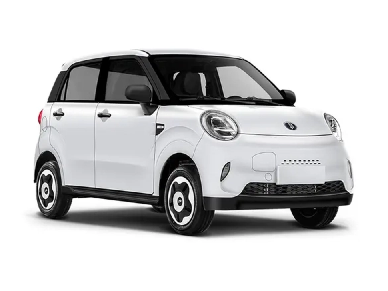
Because micro electric cars are small and lightweight, speed is closely related to safety. Higher speeds increase the risk of injury in the event of a collision, and smaller vehicles may be less visible to other drivers on the road. Therefore, micro electric cars are designed with speed limits that match their intended urban environment.
Safety features commonly found in micro electric cars include:
Seat belts and airbags: Basic protection in case of accidents.
Stability control systems: Helps maintain control during turns or slippery conditions.
Anti-lock braking systems (ABS): Improves braking performance and prevents skidding.
Drivers should always adhere to recommended speed limits and use micro electric cars within their designed range of operation.
Some modifications and advanced models can slightly increase the top speed of micro electric cars:
Higher-capacity battery: Provides more energy for the motor to reach higher speeds.
Stronger motor: Upgrading to a higher-kilowatt motor can improve acceleration and top speed.
Lightweight design: Reducing the vehicle’s weight without compromising safety can enhance performance.
However, it is essential to remember that increasing speed may compromise safety and battery efficiency. Most manufacturers recommend using micro electric cars within their specified speed limits.
While micro electric cars may have a top speed of 50–65 mph in ideal conditions, the average speed in daily urban use is much lower. Stoplights, pedestrian crossings, traffic congestion, and speed limits usually keep the effective driving speed between 20 and 35 mph. This speed is ideal for city commuting, as it balances energy efficiency with safety.
Lower speeds in micro electric cars offer several advantages:
Energy efficiency: Slower speeds reduce energy consumption and extend battery life.
Safety: Lower collision forces reduce the risk of serious injuries.
Reduced wear and tear: Components such as brakes and tires last longer at lower speeds.
Noise reduction: Electric motors are quieter, and slower speeds minimize urban noise pollution.
So, how fast do micro electric cars go? Typically, micro electric cars reach top speeds of 25 to 65 mph, depending on the model, motor capacity, battery voltage, and other factors. Entry-level models are ideal for city streets and residential neighborhoods with lower speed limits, while mid-range and high-end models can handle suburban streets and limited highway driving.
Despite their lower top speeds compared to full-sized electric vehicles, micro electric cars are well-suited for their intended purpose: urban and neighborhood commuting. They provide adequate acceleration, sufficient speed for city roads, and the added benefits of energy efficiency, low operating costs, and reduced environmental impact.
Drivers who understand the speed limitations of micro electric cars and use them within recommended ranges can enjoy safe, convenient, and practical transportation for daily urban life. While they may not replace full-sized vehicles for long-distance travel or highway driving, micro electric cars excel in city environments, offering a reliable, eco-friendly, and cost-effective alternative to traditional vehicles.
