
- All
- Product Name
- Product Keyword
- Product Model
- Product Summary
- Product Description
- Multi Field Search


Views: 0 Author: Site Editor Publish Time: 2026-02-11 Origin: Site


“How far can an electric car go?” is one of the most searched questions by people considering an EV, and it becomes even more specific when the focus is on an Electric Mini Car. Range directly affects daily usability, travel planning, and overall confidence in electric mobility. As battery technology improves and charging infrastructure expands, the real-world range of an Electric Mini Car is no longer a limitation for most drivers—it is often a perfect match for modern urban and suburban lifestyles.
This in-depth guide explores electric vehicle range from every angle, with a strong focus on the Electric Mini Car. We’ll break down how range is calculated, compare EVs to petrol vehicles, analyze charging infrastructure, examine cold-weather impacts, and look ahead to future developments. Data tables and comparisons are included to support clearer understanding and featured-snippet potential.
Electric vehicle range refers to the distance an EV can travel on a single full charge. For an Electric Mini Car, this range is typically optimized for city driving, commuting, and short-to-medium trips rather than long-haul highway use.
The range of an Electric Mini Car is influenced by several key factors:
Battery capacity (measured in kWh)
Vehicle efficiency
Driving style
Speed and terrain
Weather conditions
Use of heating or air conditioning
Most modern Electric Mini Car models offer a real-world range between 80 and 200 miles per charge. While this may sound lower than some larger EVs, it aligns perfectly with how most people actually drive.
For urban residents, an Electric Mini Car often needs charging only two or three times per week.
At first glance, petrol vehicles appear to have a longer range because refueling is fast and fuel tanks store a lot of energy. However, when comparing real-world usage, the gap is far smaller than many people assume—especially for an Electric Mini Car.
A typical petrol car may travel 350–450 miles on a full tank. However, most drivers rarely use that full range before refueling. By contrast, an Electric Mini Car is usually charged at home and starts every day with a “full tank.”
For daily commuting, school runs, shopping, and city travel, the Electric Mini Car often provides a more convenient experience despite a lower maximum range.
Another important factor is efficiency. The Electric Mini Car converts over 85% of stored energy into motion, while petrol cars waste most energy as heat. This efficiency means every mile driven in an Electric Mini Car costs less energy and money.
Range anxiety—the fear of running out of charge—is one of the biggest psychological barriers to EV adoption. However, for Electric Mini Car owners, this concern is rapidly becoming outdated.
Modern charging infrastructure is expanding quickly, especially in urban areas where Electric Mini Car usage is highest. Public chargers, workplace charging, shopping center chargers, and residential charging points work together to eliminate most range concerns.
| Charging Location | Typical Use Case | Benefit for Electric Mini Car |
|---|---|---|
| Home | Overnight charging | Primary solution |
| Workplace | Daytime top-ups | Extra flexibility |
| Public AC chargers | Errands, parking | Convenient |
| Fast chargers | Occasional trips | Backup option |
Because an Electric Mini Car is usually charged at home, many owners rarely rely on public charging at all. This fundamentally changes how people think about “range” compared to petrol vehicles.
The future of EV range looks especially promising for the Electric Mini Car segment. While early EVs focused on maximizing range at all costs, modern design emphasizes balance—range, efficiency, cost, and sustainability.
Key trends shaping the future include:
Higher energy-density batteries
Improved battery management systems
Lighter vehicle materials
More efficient motors
Smarter route planning software
For the Electric Mini Car, these innovations mean better real-world range without significantly increasing battery size or cost.
Rather than competing with long-range SUVs, the Electric Mini Car focuses on practical efficiency—delivering exactly the range most drivers actually need.
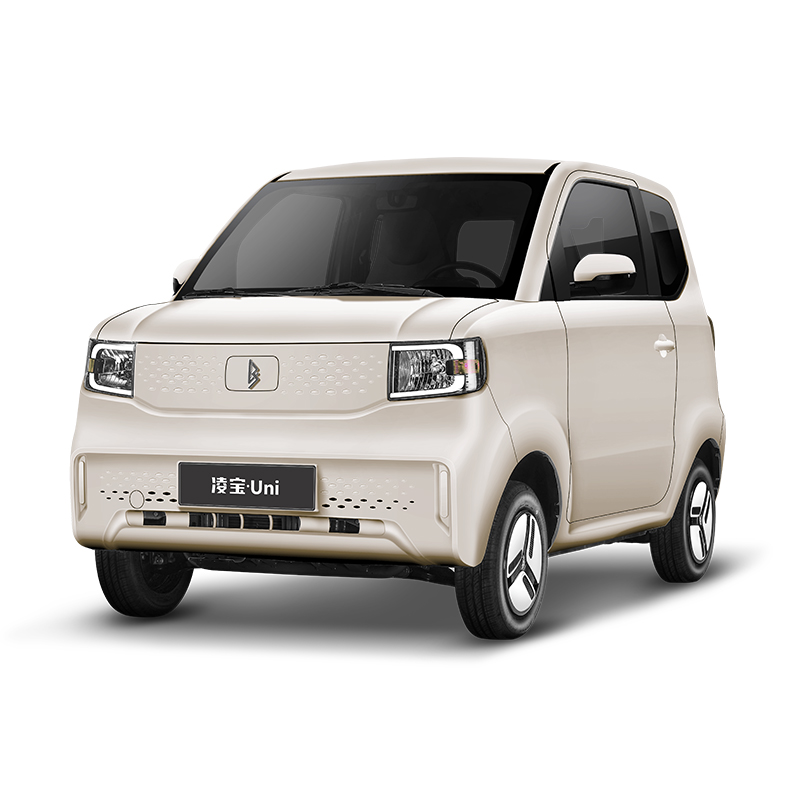
Cold weather does affect electric vehicle range, and the Electric Mini Car is no exception. Lower temperatures slow battery chemistry and increase energy use for cabin heating.
On average, an Electric Mini Car may experience a 10–30% range reduction in cold conditions, depending on temperature and driving habits.
| Temperature | Expected Range Loss |
|---|---|
| 50°F (10°C) | 5–10% |
| 32°F (0°C) | 10–20% |
| 14°F (-10°C) | 20–30% |
Despite this reduction, most Electric Mini Car owners still have more than enough range for daily driving in winter.
Tips to reduce winter range loss include:
Preheating while plugged in
Using seat heaters instead of cabin heating
Driving smoothly
Parking in a garage
Modern Electric Mini Car models increasingly include heat pumps, which significantly improve winter efficiency.
If you already own an Electric Mini Car, understanding your real-world range becomes second nature. Most owners quickly adapt their habits and find that range is rarely a limiting factor.
Real-world ownership insights include:
Daily charging replaces weekly refueling
Range estimates become more accurate over time
Route planning apps simplify longer trips
Confidence grows rapidly after the first few weeks
Many Electric Mini Car owners report that after a short adjustment period, they stop thinking about range entirely—something that rarely happens with petrol fuel levels.
| Ownership Stage | Range Perception |
|---|---|
| First week | High awareness |
| First month | Growing confidence |
| After 3 months | Range becomes routine |
| Long-term | No anxiety |
The Electric Mini Car is particularly well-suited for first-time EV buyers due to its predictable usage patterns.
Most Electric Mini Car models can travel between 80 and 200 miles on a single charge, depending on battery size and driving conditions.
Yes. The average daily driving distance is far below the range offered by an Electric Mini Car, making it more than sufficient for commuting and errands.
Yes. Higher speeds increase energy consumption, but even with highway driving, an Electric Mini Car usually maintains adequate range for most trips.
Range estimates are increasingly accurate, especially for Electric Mini Car models that use real-time driving data and navigation inputs.
Absolutely. Charging networks are expanding rapidly, especially in urban areas where Electric Mini Car adoption is highest.
For most Electric Mini Car owners, range anxiety disappears within weeks of ownership thanks to home charging and predictable driving needs.
In summary, the question “how far can an electric car go?” has a clear and reassuring answer—especially when it comes to the Electric Mini Car. With ranges tailored to real-world driving, expanding charging infrastructure, and continuous technological improvements, the Electric Mini Car delivers practical, efficient, and confidence-inspiring mobility for today and tomorrow.
