
- All
- Product Name
- Product Keyword
- Product Model
- Product Summary
- Product Description
- Multi Field Search


Views: 0 Author: Site Editor Publish Time: 2025-11-03 Origin: Site


Urban areas around the world are facing increasing challenges—traffic congestion, limited parking spaces, rising fuel costs, and environmental pollution. Traditional gasoline vehicles, and even larger electric cars, are often too bulky and inefficient for short-distance urban travel. This is where micro electric cars come into the spotlight. Compact, fully electric, energy-efficient, and affordable, they are quickly becoming a smart solution for modern cities.
As governments push toward carbon neutrality and smarter transportation systems, micro electric vehicles (Micro EVs) are gaining strong market momentum. They are not just a trend—they represent a shift in how people move through cities.
A micro electric car is a small, lightweight, battery-powered vehicle designed primarily for short-distance commuting within cities. It typically:
Seats 1 to 2 passengers
Has a top speed between 45–80 km/h
Uses a compact lithium or lead-acid battery system
Features a narrow body width (usually under 1.5 meters)
Offers simplified interiors but essential features such as air conditioning, digital displays, and safety belts
Unlike golf carts or electric scooters, micro electric cars are enclosed, weather-proof vehicles with stronger chassis and safety features. They bridge the gap between motorcycles and traditional electric cars.
As urban populations continue to grow, cities around the world are facing unprecedented pressure on transportation systems. Roads are congested, parking is scarce, and emissions regulations are becoming stricter. In response, micro electric cars have emerged as an efficient, sustainable, and practical mobility solution. Here’s why cities are increasingly embracing them:
Traditional vehicles occupy a large portion of road space, contributing to slow traffic flow and long commute times. Micro electric cars, with their compact structure, take up significantly less space and can maneuver through narrow streets with ease. This reduces congestion and enhances overall road efficiency during rush hours.
In urban centers, finding a parking space can be more time-consuming than the drive itself. A micro electric vehicle (EV) can be parked in half or even one-third the space required for a conventional car. This allows cities to create more parking spaces in the same area, increasing convenience for drivers and improving land-use efficiency.
To fight climate change, many governments are implementing strict emission standards and establishing low-emission or zero-emission zones in downtown areas. Micro electric cars produce zero tailpipe emissions, making them an ideal option for residents who need to drive within these restricted zones without paying penalties or special fees.
The cost of gasoline continues to rise globally due to resource depletion and geopolitical instability. Micro electric cars operate on electricity, which is much cheaper. Their energy-efficient motors consume minimal power, and charging a micro EV often costs less than a bus or metro ticket for daily commuting. Additionally, governments in many countries offer tax incentives or subsidies for electric vehicle ownership.
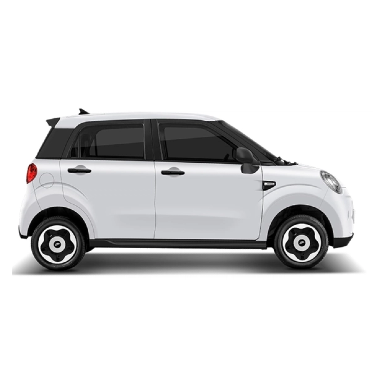
Micro electric cars do not burn fossil fuels, meaning they produce no carbon dioxide, nitrogen oxides, or particulate matter during operation. This helps reduce air pollution significantly—an issue that heavily impacts public health in densely populated cities. By promoting clean transportation, micro EVs support government efforts to meet carbon neutrality goals and reduce smog levels. Additionally, household charging often uses renewable electricity from solar or wind power, making the entire energy cycle cleaner and more sustainable.
One of the biggest advantages of micro electric cars is their cost-effectiveness.
Lower initial purchase cost compared to full-size electric cars or gasoline vehicles.
Minimal mechanical complexity, with fewer moving parts than traditional cars—no engine oil changes, fewer transmission components, and simpler braking systems.
Extremely low energy consumption—charging a micro EV can cost less than $1 per day in many cities.
Over time, owners save money not only on fuel but also on routine maintenance, repairs, and taxes. This makes micro EVs a practical option for students, urban workers, small business owners, and retirees.
Studies show that over 70% of urban trips are between 10 and 30 kilometers. Micro EVs are designed specifically for this range. Their compact battery systems support daily commuting, grocery trips, school pick-ups, and short-distance deliveries. Instead of carrying heavy and expensive large-capacity batteries, micro EVs optimize efficiency by supplying just the right amount of energy needed in a typical day. This smart energy usage helps avoid unnecessary battery costs, weight, and charging time.
Urban traffic is often congested, and parking spots are limited. Micro electric cars offer exceptional maneuverability with:
Small turning radius, allowing smooth navigation through narrow streets and crowded markets.
Compact body size, enabling parking in half or even one-third of a regular car space.
Lightweight structure, reducing strain on roads and improving handling.
These advantages make micro EVs popular in historic city centers, apartment districts, and universities where road space is limited.
Despite their size, micro electric cars are equipped with modern smart systems, enhancing safety and user comfort:
Touchscreen dashboards with real-time vehicle status and battery information
GPS navigation and route planning
Rearview cameras and parking assistance systems
Bluetooth connectivity for phone calls and music
Smart Battery Management Systems (BMS) that monitor charging status, temperature, and voltage
These technologies give micro EVs the same “smart car experience” as larger vehicles, making them appealing to tech-savvy young drivers.
With the rise of e-commerce and on-demand delivery, micro electric cars are becoming essential for logistics and transportation services in cities. They are widely used for:
Food and grocery delivery
Courier and parcel transportation
Ride-sharing platforms and short-term rental services
Their low operating cost, easy maintenance, and ability to travel through crowded streets make them ideal for business fleets. In Europe and China, many cities already deploy micro EV sharing systems to reduce road congestion and improve public mobility.
Technology Aspect | Description |
Battery System | Lithium-ion or lithium iron phosphate (LiFePO₄) batteries provide high energy density, safety, and long service life. |
Motor Type | Brushless DC motors (BLDC) ensure smooth acceleration, low noise, and high efficiency. |
Charging Options | Vehicles can be charged at home, through public charging stations, or with renewable energy sources such as solar charging systems. |
Safety Features | Reinforced frames, seat belts, ABS braking, rearview cameras, and sometimes airbags ensure driver safety. |
Smart Electronics | Includes battery monitoring, energy recovery, regenerative braking, and mobile app connectivity. |
In addition, regenerative braking systems convert kinetic energy generated during braking into usable electricity, helping extend driving range and reduce energy waste—an essential feature for maximizing battery life.
Even though they offer many advantages, there are challenges to overcome:
Most micro EVs have a range of 80–150 km. For long-distance travel, they are not ideal—yet this is sufficient for daily city commuting.
Due to their lightweight design, they may not provide the same crash protection as full-sized vehicles. However, many manufacturers now include steel frames, airbags, and side-impact protection.
In some regions, public charging stations are still limited. Governments and companies are investing to expand this network.
Different countries have varying regulations for micro EVs. Ensuring safety certification and road approval is essential.
China leads the world in production and use of micro electric vehicles, especially in smaller cities and towns where daily commuting is short and practical.
Europe is rapidly adopting micro EVs due to strict emission standards and limited parking space.
Japan and South Korea promote micro mobility for aging populations and tight urban environments.
United States is exploring micro EVs for university campuses, gated communities, and last-mile delivery.
Industry analysts predict the global micro EV market will grow significantly over the next decade as urbanization increases.
In the future, micro electric cars will be integrated into smart city ecosystems featuring:
Solar-powered charging stations
AI traffic management systems
Vehicle-to-grid (V2G) energy sharing
Autonomous driving for micro taxis and delivery cars
Smart parking with mobile reservations
They will work alongside bicycles, e-scooters, buses, and subways to create an efficient and eco-friendly transportation network.
Micro electric cars are no longer just a niche product; they are becoming a practical and essential solution for modern cities. They save space, reduce pollution, lower transportation costs, and enhance mobility for individuals and businesses alike.
As cities continue growing and environmental challenges intensify, micro electric vehicles will play a key role in shaping the future of urban transportation.
If you are interested in micro electric car solutions or considering investing in reliable and innovative models, you may explore options from Jiangsu Jimai New Energy Vehicle Industry Co., Ltd. They provide expertise, manufacturing capability, and customizable micro EV solutions for various needs—whether for personal commuting, commercial fleets, or urban mobility projects.
