As urban populations continue to grow at unprecedented rates, cities around the world face increasing problems with traffic congestion, air pollution, and greenhouse gas emissions. Traditional gasoline-powered vehicles remain one of the largest contributors to urban pollution, emitting carbon dioxide (CO₂), nitrogen oxides (NOₓ), and particulate matter that compromise public health and environmental quality.
Amid these challenges, micro electric cars (micro EVs) have emerged as a practical, sustainable solution for city mobility. Compact, energy-efficient, and designed specifically for short-range travel, micro EVs provide a way to reduce emissions, minimize energy consumption, and reclaim urban space. By leveraging advancements in battery technology, lightweight construction, and smart connectivity, micro electric cars are redefining urban transportation and offering a pathway toward cleaner, healthier cities.
What Are Micro Electric Cars?
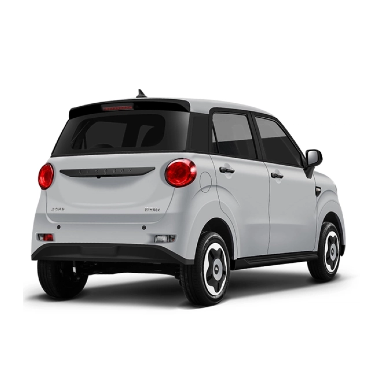
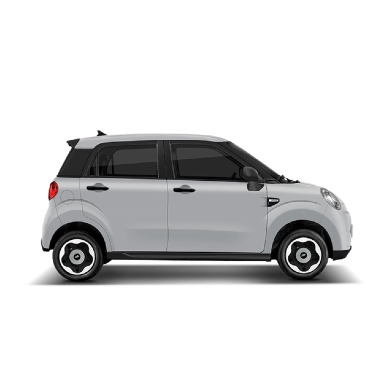
A micro electric car is a small, fully electric vehicle primarily intended for urban commuting. Unlike traditional cars, these vehicles are compact, lightweight, and energy-efficient, making them perfect for crowded city streets where space is limited.
Feature | Typical Specification |
Seating Capacity | 1–2 passengers (some models accommodate 4) |
Maximum Speed | 45–80 km/h (28–50 mph) |
Driving Range | 80–200 km per charge |
Charging Time | 2–6 hours (AC) or ~30 minutes (fast charging) |
Vehicle Width | 1–1.4 meters |
Parking Space Needed | Less than half of a standard car |
Micro EVs often fall under regulatory categories like L6e/L7e in Europe or Low-Speed Electric Vehicles (LSEVs) in Asia, making them street-legal while enjoying exemptions from certain taxes and stringent emissions rules. Their compact design, combined with efficiency and low operational cost, positions them as a practical alternative for urban residents and businesses alike.
How Micro Electric Cars Reduce Urban Pollution
Urban environments are some of the most challenging areas for vehicle emissions. Dense traffic, narrow streets, and high population density contribute to poor air quality, respiratory diseases, and environmental degradation. Micro electric cars (micro EVs) address these challenges by providing a clean, efficient, and space-conscious alternative to traditional vehicles.
Zero Tailpipe Emissions
One of the most compelling benefits of micro EVs is their complete elimination of tailpipe emissions. Unlike gasoline or diesel cars, these vehicles produce no CO₂, NOₓ, particulate matter (PM2.5), or other harmful pollutants while in operation. In cities where smog and pollution are persistent issues, the introduction of micro EVs can have a measurable impact on air quality. Cleaner air not only benefits public health but also reduces the burden on healthcare systems, particularly in densely populated urban centers. Studies in cities like Beijing and Delhi have shown that replacing short-distance trips with zero-emission vehicles can significantly lower localized pollution levels, particularly during peak traffic hours.
Energy Efficiency
Micro EVs are highly energy-efficient, consuming only 3–5 kWh of electricity per 100 km, a fraction of the energy used by conventional gasoline cars. Even when charged using electricity from the grid, they produce 50–70% fewer carbon emissions than traditional vehicles. When integrated with renewable energy sources—such as rooftop solar panels, solar-assisted charging stations, or wind-generated electricity—micro EVs become virtually emission-free. Their low energy requirements also reduce the strain on urban electricity infrastructure, making them a sustainable option for both private users and municipal fleets.
Optimizing Urban Space
Another advantage of micro electric cars is their compact design, which allows them to navigate narrow streets and occupy far less parking space. In many cities, three or more micro EVs can fit into a single conventional parking spot, alleviating congestion and optimizing land use. Reduced traffic congestion further lowers fuel consumption for other vehicles, decreases idle time, and minimizes the overall environmental impact of city traffic. This makes micro EVs particularly suited for historic city centers, high-density residential areas, and business districts where parking and traffic flow are major concerns.
Key Technologies Driving Micro Electric Cars
Advanced Battery Systems
Modern micro electric cars are powered by lithium-ion or lithium iron phosphate (LFP) batteries, offering improved safety, energy density, and longevity. These batteries provide ranges from 80 km to 200 km per charge, sufficient for most daily urban trips. Some micro EV models even feature solar-assisted roofs, enabling partial energy generation directly from sunlight. This reduces dependency on grid electricity and extends the vehicle’s range for short trips, making micro EVs highly adaptable to city environments where daily distances are limited.
Lightweight Construction
Efficiency in micro EVs is enhanced by the use of lightweight materials such as aluminum alloy frames, ABS plastics, and carbon fiber components. Reducing vehicle weight not only improves energy efficiency and extends driving range but also contributes to safer handling and quicker acceleration, even in compact designs. Despite their small size, modern micro EVs are built with reinforced safety structures, providing adequate protection in urban driving conditions.
Smart Connectivity
Many micro EVs are now integrated with IoT-enabled features that enhance usability and efficiency:
Real-time GPS navigation and traffic updates optimize routes, reducing congestion and energy waste.
Mobile app control allows users to lock/unlock the vehicle, check battery status, and locate parked vehicles.
Remote diagnostics and over-the-air software updates keep vehicles running efficiently and extend battery life.
These smart features not only improve user convenience but also allow fleet operators and city planners to monitor and manage energy consumption, usage patterns, and vehicle performance across urban areas.
Shared and Autonomous Mobility Potential
Micro EVs are increasingly compatible with Level 2 autonomous driving systems, including lane-keeping assistance, automated parking, and collision warnings. They are particularly well-suited for shared mobility services, where fleets of small electric vehicles are deployed for on-demand urban travel. Shared micro EV platforms reduce the number of individually owned vehicles on the road, further decreasing traffic congestion, energy use, and pollution.
Real-World Applications of Micro Electric Cars
Application Scenario | How Micro EVs Are Used |
Personal Commuting | Efficient travel for 1–2 passengers within 20–30 km daily |
Food & Parcel Delivery | Small, agile vehicles navigate narrow streets and reduce delivery energy costs |
Tourist Zones | Quiet, eco-friendly vehicles for sightseeing and shuttle services |
Senior Mobility | Low-speed, easy-to-control cars suitable for elderly drivers |
Car-Sharing Services | App-based rental fleets for short-term urban use |
In cities like Paris, Tokyo, Amsterdam, and Shenzhen, micro EV fleets have already been deployed for personal mobility and last-mile delivery services. They help reduce congestion, minimize dependency on traditional taxis, and provide reliable short-distance transportation. Residential neighborhoods increasingly rely on micro EVs for daily errands, school trips, and local commuting, particularly for younger professionals and older adults seeking low-maintenance, sustainable transport.
Environmental Impact and Sustainability
Lower Carbon Footprint
Micro EVs can be a practical way to reduce urban emissions because they’re purpose-built for short, frequent trips—the exact journeys that create a large share of city traffic. Even when charged from the power grid, using micro EVs to replace conventional vehicles for daily commuting, errands, or last-mile delivery can significantly lower overall CO₂ output. In many cases, estimates suggest short-trip replacement can reduce emissions by roughly 50–70%, while also cutting tailpipe pollutants that directly affect street-level air quality. The result isn’t just “greener transport”—it’s a more comfortable city experience: cleaner air on crowded roads, quieter neighborhoods, and a stronger foundation for municipal climate targets.
Reduced Resource Consumption
Sustainability is not only about what happens on the road—it also starts at manufacturing. Because micro EVs are smaller and lighter, they generally require less steel, aluminum, plastics, and battery materials to build. That smaller battery pack can also reduce demand pressure on critical minerals such as lithium and cobalt, supporting more responsible resource use across the supply chain. For buyers and city planners, this matters because it improves the “efficiency per vehicle” of the entire system—less material input for a vehicle that still accomplishes the majority of urban mobility tasks.
-
Recyclable Batteries and Circular Value
Battery end-of-life is a key sustainability topic, and progress is accelerating. Many modern micro EV battery systems are engineered with recycling in mind, with claims often reaching 70–80% recyclability depending on chemistry and recycling process. With proper collection and recycling programs, valuable metals and components can be recovered, reducing e-waste and helping feed reclaimed materials back into new batteries. Over time, this strengthens a circular economy model—where micro EV adoption remains environmentally responsible not only during use, but from production through retirement.
Future Trends and Opportunities
Micro electric cars are poised to play a key role in smart, sustainable urban transportation:
Solar-Powered Micro EVs: Roof-integrated solar panels will provide additional energy for short trips.
Battery Swapping Networks: Quick battery exchanges reduce downtime and improve convenience.
Autonomous Micro Taxis: AI-driven fleets can provide low-cost, flexible transportation without human drivers.
Urban Planning Integration: Dedicated lanes, parking areas, and EV zones make micro EV adoption easier and safer.
These trends suggest that micro electric cars will not only reduce pollution but also transform city mobility, urban planning, and public transportation models.
Conclusion: A Cleaner, Smarter Urban Future
Micro electric cars offer a practical solution to urban pollution, reducing CO₂ emissions, optimizing energy use, and reclaiming city space. With continued advancements in battery technology, lightweight materials, and smart connectivity, these vehicles are well-positioned to meet the mobility needs of crowded cities in 2025 and beyond.
For individuals, businesses, and city planners interested in exploring micro electric cars, companies like Jiangsu Jimai New Energy Vehicle Industry Co., Ltd. provide innovative, reliable solutions for urban mobility. Their range of micro EVs is designed for efficiency, safety, and practicality, making them a valuable partner for anyone looking to adopt sustainable transportation solutions.


