
- All
- Product Name
- Product Keyword
- Product Model
- Product Summary
- Product Description
- Multi Field Search


Views: 0 Author: Site Editor Publish Time: 2025-11-10 Origin: Site


In recent years, the micro electric car market has experienced remarkable growth across Asia, Europe, and increasingly in North America. Compact, energy-efficient, and cost-effective, these vehicles are redefining how people move within cities and suburban areas. As governments push for clean mobility and consumers demand affordable transportation, micro electric cars are stepping into the spotlight as an ideal solution.
But what exactly is fueling the rising global demand for micro electric cars? This article explores market trends, technology developments, consumer behavior, and what the future holds for this growing industry.
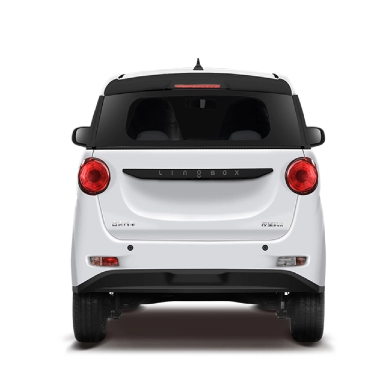
A micro electric car, sometimes also referred to as a mini EV, neighborhood electric vehicle (NEV), or low-speed electric vehicle (LSEV), is a small, lightweight car that runs entirely on electricity. Typically, these vehicles feature:
A compact two- to four-seater design
Maximum speed between 45–80 km/h (28–50 mph), depending on regional regulations
Lightweight body using materials like ABS plastic, steel, or aluminum
Shorter driving range than traditional EVs, usually 80–200 km per charge
Lower battery capacity and simplified powertrain system
Although they lack the power and range of full-sized electric cars like Tesla or BYD models, micro electric cars excel in short-distance commuting, urban transport, last-mile logistics, and senior or community transportation.
The global market for micro electric cars is expanding at an impressive rate, and Asia—particularly China—remains the epicenter of this growth. China is not only the largest manufacturer but also the largest consumer of micro electric vehicles. Provinces such as Shandong, Jiangsu, and Zhejiang are known as primary production hubs where thousands of micro EVs are manufactured each month. These vehicles are especially popular in small towns, suburban areas, and rural villages, where residents require inexpensive transportation for commuting, shopping, or agricultural activities.
One major reason for their popularity in China is affordability. Many micro electric cars are priced lower than motorcycles or gasoline-powered mini cars. Moreover, they are exempt from complex licensing procedures in certain regions, making them accessible even to elderly users or people without a traditional driver’s license.
In Europe, micro electric cars have also gained momentum. Models like the Citroën Ami, Renault Twizy, and Opel Rocks-e are increasingly seen in urban centers such as Paris, Milan, Berlin, and Amsterdam. These vehicles suit narrow European streets, limited parking spaces, and short-distance commuting needs. In several European countries, teenagers as young as 14 or 16 are allowed to drive micro EVs with an AM license, further expanding the consumer demographic. Additionally, European Union incentives for zero-emission mobility, tax reliefs, and bans on combustion vehicles in low-emission zones are accelerating adoption.
The shift toward urban living has created new challenges such as traffic congestion, lack of parking space, and rising fuel prices. Micro electric cars offer a practical solution to these issues because they are:
Small in size, requiring minimal parking space
Quiet and emission-free, reducing urban noise and air pollution
Ideal for short, repetitive trips, such as commuting, grocery shopping, or school runs
Additionally, micro EVs are becoming a vital tool in last-mile delivery services. E-commerce companies, food delivery platforms, and couriers increasingly use these vehicles to deliver goods within city limits. Their compact size enables them to navigate narrow roads, avoid traffic jams, and reduce delivery costs—making logistics greener and more efficient.
Affordability remains the strongest driving force behind the popularity of micro electric cars. Compared to full-sized electric cars or traditional gasoline vehicles, micro EVs:
Require a smaller initial investment — typically between $2,000 and $8,000 depending on configuration and battery type
Consume far less energy — charging a micro electric car costs only a few dollars and can often be done at home with standard outlets
Have fewer moving parts, which means minimal maintenance, no oil changes, and lower repair costs
For students, retirees, delivery workers, and small business owners, a micro electric car is often the most economical way to own a vehicle.
Supportive government policies have played a major role in boosting micro EV adoption. Across Asia and Europe, governments encourage the use of clean energy vehicles through:
Purchase subsidies and tax reductions
Easier registration procedures or free license plates
Permission to drive in low-emission zones where gasoline vehicles are banned
Investment in charging infrastructure and rural mobility projects
In countries like China, India, France, and Italy, these incentives make micro electric vehicles even more attractive to low-income families and young drivers.
From an environmental perspective, micro electric cars are highly beneficial. They produce zero tailpipe emissions, helping reduce smog in densely populated areas. Furthermore, because they use smaller battery packs, they require fewer raw materials such as lithium, cobalt, and nickel. This reduces the environmental burden associated with battery mining and manufacturing.
Technological improvements are transforming the micro electric vehicle industry from basic low-speed cars into smarter, safer, and more reliable mobility solutions.
Battery technology is at the heart of micro electric cars. Modern models are equipped with lithium-ion or lithium iron phosphate (LFP) batteries, which provide:
Longer lifespan and safer chemistry
Faster charging — some batteries reach 80% charge in 1–2 hours
High durability, with up to 2,000–3,000 charging cycles
Some manufacturers are also testing sodium-ion batteries, which use cheaper raw materials, further lowering production cost while ensuring decent mileage.
Unlike earlier generations of micro EVs, today's models come with smart features tailored to modern lifestyles, such as:
Touchscreen dashboards and digital speedometers
Bluetooth and smartphone app control, allowing remote locking, battery monitoring, and GPS tracking
Rearview cameras, parking sensors, and LED lighting systems
Optional air conditioning, USB charging ports, and voice prompts
These upgrades make micro electric cars more attractive to tech-savvy young buyers and urban professionals.
Safety is also improving significantly. Manufacturers now use reinforced steel or aluminum frames, side impact bars, three-point seat belts, and automotive-grade braking systems. Some high-end models are even equipped with airbags and ABS braking systems, addressing earlier concerns about lack of protection.
Lightweight design plays a key role as well. Using durable plastics, carbon fiber, or high-strength steel reduces vehicle weight, enhances energy efficiency, and allows for longer driving ranges on a single charge.
Consumer Group | Why They Choose Micro Electric Cars |
Students & Young Adults | Affordable, stylish, no fuel cost |
Elderly Drivers | Easy to operate, safe speed, convenient for short trips |
Urban Professionals | Ideal for city commuting and parking |
Small Business Owners | Efficient for last-mile deliveries and logistics |
Rural Residents | Reliable daily transport without fuel dependency |
Despite positive growth, the industry faces several challenges:
Most micro electric cars have a speed cap and shorter range, making them unsuitable for highways or long-distance travel. This limits their usage mainly to urban and local transportation.
Different countries apply different regulations to micro EVs—some classify them as motorcycles, others as mini cars or quadricycles. Inconsistent licensing and safety requirements can slow global market expansion.
While micro EVs can often be charged using home power sockets, a lack of public charging stations in some regions still poses an issue.
The future of micro electric cars looks highly promising due to:
Growing demand for affordable EVs in developing countries
Rising fuel prices and economic uncertainty driving people to low-cost alternatives
Smart city and green transportation initiatives promoting small EVs
Innovations in battery technology, improving performance and safety
Analysts predict that by 2030, micro electric cars will account for a significant portion of urban transportation solutions.
Small electric vehicles are not just consumer products—they also present opportunities for:
Shared mobility services such as community car sharing
Urban logistics and courier services for last-mile deliveries
Tourism and resort transportation vehicles
Campus and industrial park mobility
Manufacturers and investors in the EV sector should closely monitor this rapidly growing segment.
The global demand for micro electric cars is rising due to their affordability, eco-friendly advantages, and suitability for modern urban lifestyles. As consumers look for practical, low-cost, and sustainable transportation solutions, micro EVs are becoming a smart choice.
For those interested in reliable designs, advanced technology, and customized micro electric vehicles, Jiangsu Jimai New Energy Vehicle Industry Co., Ltd is one of the manufacturers worth exploring. They offer experience in production, research, and quality management, making them a valuable partner for businesses or individuals considering micro electric cars.
