
- All
- Product Name
- Product Keyword
- Product Model
- Product Summary
- Product Description
- Multi Field Search


Views: 0 Author: Site Editor Publish Time: 2026-02-26 Origin: Site


The rapid rise in popularity of electric mini cars and electric vehicles (EVs) is reshaping the automotive landscape. With concerns over climate change, fuel prices, and the desire for more sustainable transportation, more people are choosing to drive electric. One common question that often arises is, "How long does it take to charge an electric car?" Charging time varies based on several factors, including the power available, the type of charging station, and the size of the car's battery. In this article, we will explore the different charging methods, factors affecting charging time, and what you can expect when charging your electric mini car.
The time it takes to charge an electric mini car is highly dependent on several factors: the power output of the charging station, the size of the car's battery, and the type of charger used. There are different kinds of charging stations available, each with its own characteristics that influence charging time.
Charging your electric mini car at home is the most convenient method for many car owners. Home charging can be done using a standard 120-volt outlet (Level 1 charging) or a 240-volt outlet (Level 2 charging).
Level 1 charging is the slowest method, often using a standard household outlet. This charger provides 1 to 5 miles of range per hour of charging, depending on the car's battery capacity. On average, it can take between 12 to 24 hours to fully charge a typical electric mini car using a Level 1 charger. While this might seem long, it's adequate for those who drive their electric cars locally and overnight.
Level 2 charging is much faster and is ideal for home charging. This method requires a dedicated 240-volt circuit and typically provides 10 to 60 miles of range per hour of charging, depending on the vehicle and the power output of the charger. For a full charge, a mini electric car with a small battery may take anywhere from 4 to 8 hours. This makes it a popular choice for homeowners who need their vehicles ready for the next day.
Public charging stations can be found in parking lots, shopping malls, office buildings, and other public areas. They offer Level 2 and even fast charging options (DC Fast Charging) to accommodate the needs of drivers on the go.
Public Level 2 charging stations work similarly to home-based Level 2 chargers but can often offer a higher power output (up to 22 kW in some areas). They can provide between 10 to 60 miles of range per hour of charging, so the time it takes to charge your electric mini car will depend on the specific charger and battery size. Typically, it may take around 3 to 6 hours to fully charge, making it a great option for mid-length trips or daily commutes.
DC Fast Charging, or rapid charging, is designed for those who need to charge quickly. These chargers can provide between 60 to 100 miles of range in just 20 to 30 minutes, depending on the car's battery and charger. They are commonly found at highway rest stops or fast charging hubs. DC Fast Charging uses a higher voltage (usually 400-800 V) to deliver energy quickly to the car's battery.
For a mini electric car, which typically has a smaller battery, a 20-minute session at a DC Fast Charger could provide enough power for a short trip, while a full charge could take between 30 minutes to an hour.
Ultra-fast charging stations are pushing the limits of EV charging. Some of the most advanced stations, such as Tesla's Supercharger network or Electrify America's high-power chargers, can deliver over 350 kW of power. This enables charging speeds that can add up to 200 miles of range in about 10-15 minutes.
For electric mini cars, which tend to have smaller batteries, ultra-fast charging stations can significantly reduce the amount of time spent charging. A mini electric car with a battery size of 20 to 30 kWh could be charged in less than 30 minutes at one of these stations, making them ideal for long-distance road trips.
While the type of charger and battery size are the most obvious factors influencing charging times, there are a few other key considerations that could impact how long it takes to charge your electric mini car.
There are three main types of EV charging stations:
Level 1 chargers (120 Volts) – These are the slowest chargers and are typically used at home with a standard electrical outlet. They are mostly used for overnight charging.
Level 2 chargers (240 Volts) – Faster than Level 1 chargers, Level 2 chargers are ideal for both home use and public locations. They are commonly found in garages, parking lots, and public charging stations.
DC Fast Chargers – These are the fastest chargers and are typically found at high-traffic locations like highway rest stops. They can rapidly charge your electric mini car in a short amount of time.
A home charging station refers to a Level 2 charger installed at your home. It is a more powerful option than Level 1 charging and allows you to fully charge your car overnight. The charging station is connected to your electrical system and may require installation by a licensed electrician. While the upfront cost of a home charging station can be substantial, it provides convenience and faster charging speeds for regular use. Many homeowners also take advantage of solar energy systems, which can offset the electricity cost associated with charging an electric mini car.
Electric cars consume electricity, measured in kilowatt-hours (kWh), to power their batteries. The consumption rate of a mini electric car can vary based on factors like driving style, terrain, and temperature. On average, electric cars consume about 0.2 to 0.3 kWh per mile driven. A typical electric mini car with a battery capacity of 20 to 30 kWh could achieve between 70 and 150 miles per charge, depending on how efficiently the car uses energy.
The overall cost of charging an electric vehicle will depend on local electricity rates. In most places, electricity costs are lower than gasoline, making electric mini cars an attractive and cost-effective option for daily use.
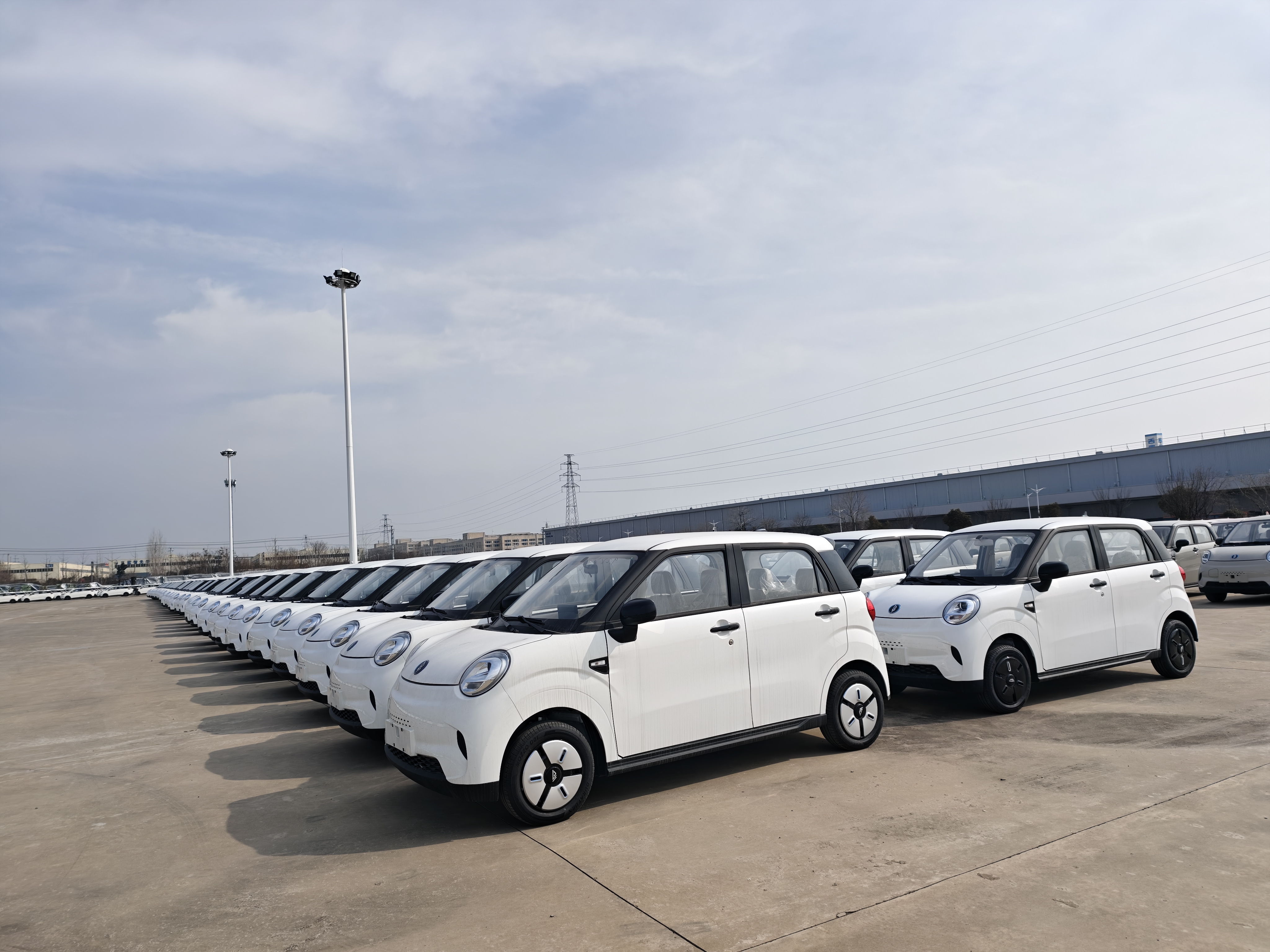
On a Level 1 charger, it typically takes 12 to 24 hours to fully charge a mini electric car. The slow rate is due to the limited power output of a standard 120-volt household outlet.
Yes, most electric mini cars are compatible with DC Fast Chargers. However, due to their smaller battery size, the time to charge is much shorter than with larger electric vehicles. You may be able to add 60 to 100 miles of range in just 20 minutes.
The cost to install a Level 2 home charging station typically ranges from $500 to $2,500, depending on the complexity of the installation and the type of charger. It's a one-time cost that can save you time and money in the long run.
The speed of charging depends on several factors, including the power output of the charger (Level 1, Level 2, or DC Fast Charging), the size of the electric mini car's battery, and the battery's state of charge. Weather conditions and the condition of the charging equipment can also impact charging speed.
Yes, you can use a standard 120-volt outlet (Level 1 charging) to charge your electric mini car at home, but this will be slow and may take up to 24 hours for a full charge. For faster charging, a Level 2 charger is recommended.
For optimal convenience and speed, a Level 2 charger is the best option for home use. Public charging stations, especially those with DC Fast Charging capabilities, are ideal for long trips or when you need a quick boost in range.
In conclusion, the time it takes to charge your electric mini car depends on several factors, including the type of charging station, the power output of the charger, and the size of the car's battery. Home charging with a Level 2 charger offers the best balance of convenience and speed for most drivers, while public charging stations and DC Fast Chargers are perfect for long-distance travel. By understanding your charging options and factoring in the specific needs of your electric mini car, you can ensure that you're always ready to hit the road.
