
- All
- Product Name
- Product Keyword
- Product Model
- Product Summary
- Product Description
- Multi Field Search


Views: 0 Author: Site Editor Publish Time: 2025-10-27 Origin: Site


Urban transportation is rapidly evolving, and micro electric cars are at the forefront of this change. With rising fuel prices, increasing environmental awareness, and congested city streets, people are looking for alternatives to traditional vehicles. Micro electric cars—compact, lightweight, and fully electric—offer an innovative solution.
However, one question many potential users ask is: How efficient are these vehicles? Efficiency in micro electric cars can be measured in several ways, including energy consumption, cost-effectiveness, range per charge, and environmental impact. This article explores these aspects in detail, helping readers understand how micro electric cars perform in real-world conditions and whether they are a practical choice for daily commuting.
Efficiency for a vehicle generally refers to how well it converts energy into motion while minimizing waste. For micro electric cars, efficiency can be broken down into three main areas: energy efficiency, economic efficiency, and operational efficiency.
Energy efficiency measures how effectively the car uses electricity to travel a given distance. Micro electric cars are designed to be lightweight and compact, reducing the energy required to move the vehicle. Advanced electric motors in these cars convert electricity into motion with minimal loss, often achieving over 80% energy conversion efficiency, compared to internal combustion engines, which typically operate at 20–30% efficiency.
Micro electric cars are cost-effective in terms of both initial investment and ongoing expenses. Electricity is cheaper than gasoline, and electric cars have fewer moving parts, which reduces maintenance costs. This makes them highly economical, especially for urban commuters who drive short to moderate distances daily.
Operational efficiency considers the vehicle’s ability to perform well in its intended environment. Micro electric cars excel in urban areas where frequent stops, tight corners, and short commutes are common. Their compact size allows for easier parking and maneuverability, reducing wasted time and energy compared to larger vehicles.
Several factors impact how efficiently a micro electric car operates. Understanding these can help potential buyers make informed decisions.
Battery efficiency directly affects the car’s range and energy consumption. High-quality lithium-ion batteries provide consistent power, rapid charging, and longer lifespans. Larger capacity batteries extend the distance a car can travel on a single charge, reducing downtime and increasing overall efficiency.
The lighter the car, the less energy it requires to move. Micro electric cars are designed with minimal weight without compromising safety. Lightweight materials such as aluminium and reinforced plastics contribute to better energy efficiency, lower wear on components, and easier handling.
Although small in size, the shape and design of a micro electric car influence energy use. Sleek, aerodynamic designs reduce air resistance, allowing the car to travel farther using the same amount of electricity. Even small improvements in aerodynamics can significantly impact efficiency in city driving.
Driver behavior plays a critical role in efficiency. Smooth acceleration, moderate speeds, and avoiding frequent harsh braking improve battery performance and reduce energy consumption. Micro electric cars often come with regenerative braking systems that convert kinetic energy back into electricity, further enhancing efficiency.
Hilly terrain or rough roads can decrease efficiency, as more energy is required to climb slopes or overcome resistance. Conversely, flat urban roads provide ideal conditions for micro electric cars to maximize their energy performance.
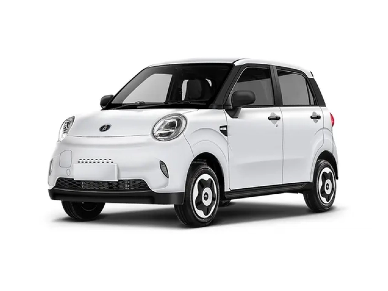
When assessing efficiency, it’s useful to compare micro electric cars with gasoline or diesel vehicles.
Micro electric cars consume electricity far more efficiently than conventional vehicles consume fuel. A typical micro electric car may use just 8–15 kWh per 100 kilometers, whereas a gasoline car of similar size might require 6–8 liters of fuel per 100 kilometers. Considering that electric energy is often cheaper than gasoline, the savings are substantial.
Micro electric cars produce zero tailpipe emissions, reducing urban air pollution and greenhouse gas contributions. Even when considering electricity generation, they often have a smaller carbon footprint than gasoline vehicles, especially in regions with clean energy sources.
Lower operating and maintenance costs make micro electric cars financially efficient. No oil changes, fewer moving parts, and cheaper energy costs lead to long-term savings. Additionally, some governments offer incentives and tax benefits for electric vehicle ownership, further enhancing economic efficiency.
Micro electric cars are smaller than traditional vehicles, requiring less parking space and enabling more efficient urban planning. This indirectly improves efficiency in crowded cities, reducing traffic congestion and saving drivers time and energy.
Micro electric cars are particularly efficient in city environments. Short trips, stop-and-go traffic, and limited parking make traditional vehicles less practical. Micro electric cars handle these conditions effortlessly, consuming minimal energy while providing a smooth driving experience.
These cars are ideal for short-range travel, such as running errands or commuting to work. On average, micro electric cars can travel 50–150 kilometers on a single charge, depending on battery capacity and driving conditions. This range is sufficient for most daily urban activities.
Most micro electric cars can be charged using standard household outlets, making them convenient and cost-effective. Fast-charging options are increasingly available, reducing downtime and making them more practical for daily use. Energy losses during charging are minimal, and regenerative braking helps extend the range further.
Micro electric cars require less maintenance than traditional vehicles. Fewer moving parts, no oil changes, and reduced wear on brakes and engines make maintenance both easier and cheaper. This contributes significantly to the overall efficiency and lifespan of the vehicle.
The efficiency of micro electric cars continues to improve as technology advances:
Battery Innovations: New battery chemistries offer higher energy density, faster charging, and longer life.
Lightweight Materials: Advanced composites reduce vehicle weight without compromising safety.
Smart Energy Management: Integrated systems optimize energy use based on driving patterns, terrain, and traffic conditions.
Solar Charging Options: Some models incorporate solar panels to supplement battery power, enhancing sustainability.
Autonomous and Connected Features: Smart navigation systems help drivers choose energy-efficient routes, further reducing energy consumption.
These developments ensure that micro electric cars will become even more practical, cost-effective, and environmentally friendly in the coming years.
Micro electric cars are highly efficient vehicles, particularly suited for urban commuting and short-range travel. Their lightweight design, electric propulsion, low maintenance, and compact size make them both energy- and cost-efficient. They outperform traditional gasoline vehicles in terms of environmental impact, operational efficiency, and economic savings.
Choosing the right micro electric car depends on factors such as battery capacity, passenger needs, driving environment, and personal preferences. With continuous technological advancements in battery efficiency, aerodynamics, and smart features, micro electric cars are becoming an increasingly practical solution for sustainable urban mobility.
For city dwellers, young professionals, seniors, or anyone seeking a cost-effective, eco-friendly transportation solution, micro electric cars offer an intelligent, efficient, and convenient way to navigate modern life.
